What are you looking for?
Recent Updates(9)

FREDERICK AYODEJI OSIBOGUN DOMINATES IJEBULAND NEWS AS NEXT AWUJALE PREPARATIONS INTENSIFY
The nomination of the next Awujale

BREAKING: NYASH, MAMMY MARKET, AMALA NOW IN OXFORD DICTIONARY
The Oxford English Dictionary has officially added the Nigerian terms “Nyash,” “Mammy Market,” and “Amala,” recognizing their growing usage in global English.
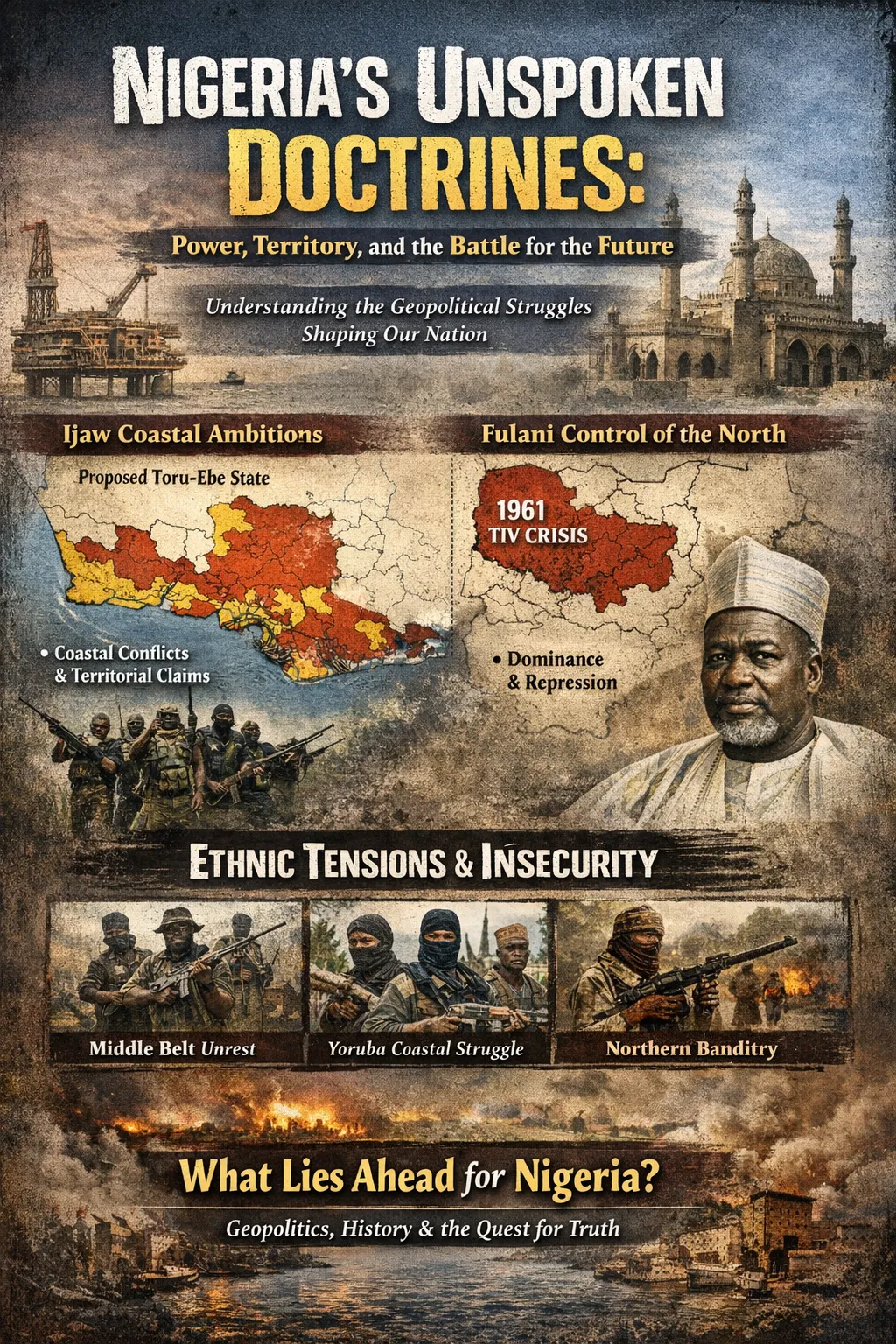
Nigeria’s Unspoken Doctrines: Power, Territory, and the Battle for the Future
In classical geopolitics, the Monroe Doctrine refers to a power asserting exclusive influence over a region and resisting external or internal challenges to that control. In Nigeri
Press Release
Growing Insecurity in South-West Nigeria and the Expansion of Terror-Style Violence into Yoruba Communities (Including Kogi & Kwara)

Armed Miyetti Allah Member Nabbed With NSA-Linked Rifle as Insecurity Deepens in Kwara - The Yoruba Times
News - Armed Miyetti Allah Member Nabbed With NSA-Linked Rifle as Insecurity Deepens in Kwara - The Yoruba Times
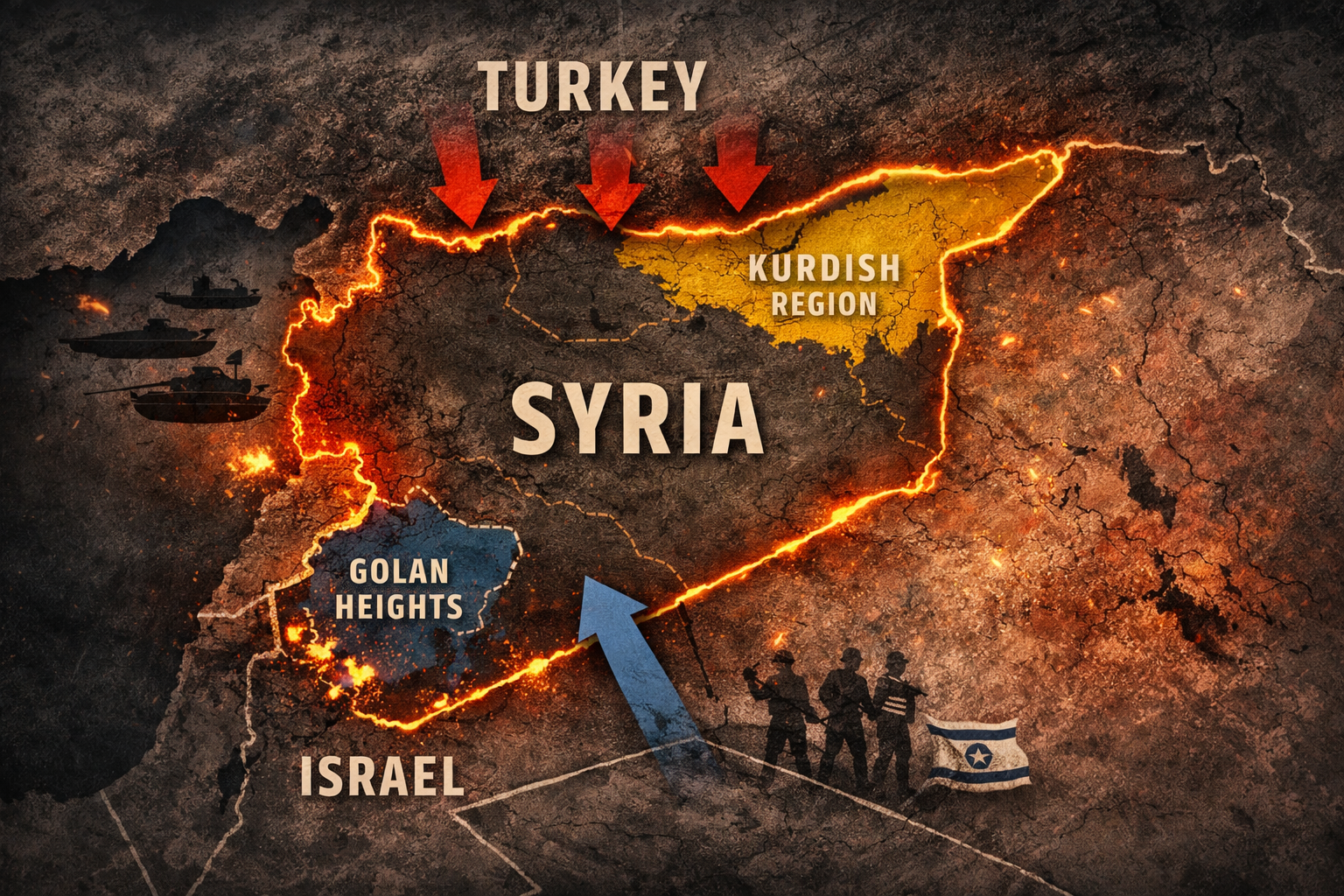
Syria: The Coming Frontline of Blood and Iron
Syria is shaping up to be one of the most brutal battlegrounds of the 21st century. It sits at the fault line between two determined middle powers—Turkey and Israel

Membership Mobilization 2026
Ongoing membership mobilization. Join us!
THE SYSTEMIC COLLAPSE OF FEDERAL SECURITY: THE EMPOWERMENT OF NON-INDIGENOUS PROXIES IN NIGERIA’S HINTERLANDS
No description available.
Demographic Change, Migration, and the Future of Yorùbá Majority in Yorùbáland
This paper examines internal migration, fertility differentials, and long-term population projections in South-West Nigeria, with specific focus on the Yorùbá population and migrant ethnic groups. Using Nigeria Demographic and Health Survey data (2008–2018), it demonstrates that sustained inward migration and higher fertility rates among non-Yorùbá groups(particularly Hausa/Fulani)are driving a major demographic shift. Projections indicate a significant decline in the Yoruba share of the population and a potential majority reversal within the next four decades. The study provides empirical grounding for policy debates on demographic sustainability, political representation, cultural continuity, and migration governance in Yorùbáland, and serves as a strategic resource for forward-looking regional and ethnic policy formulation.